Why Every Artist Needs a Portfolio Website (2025 Update)
· Business
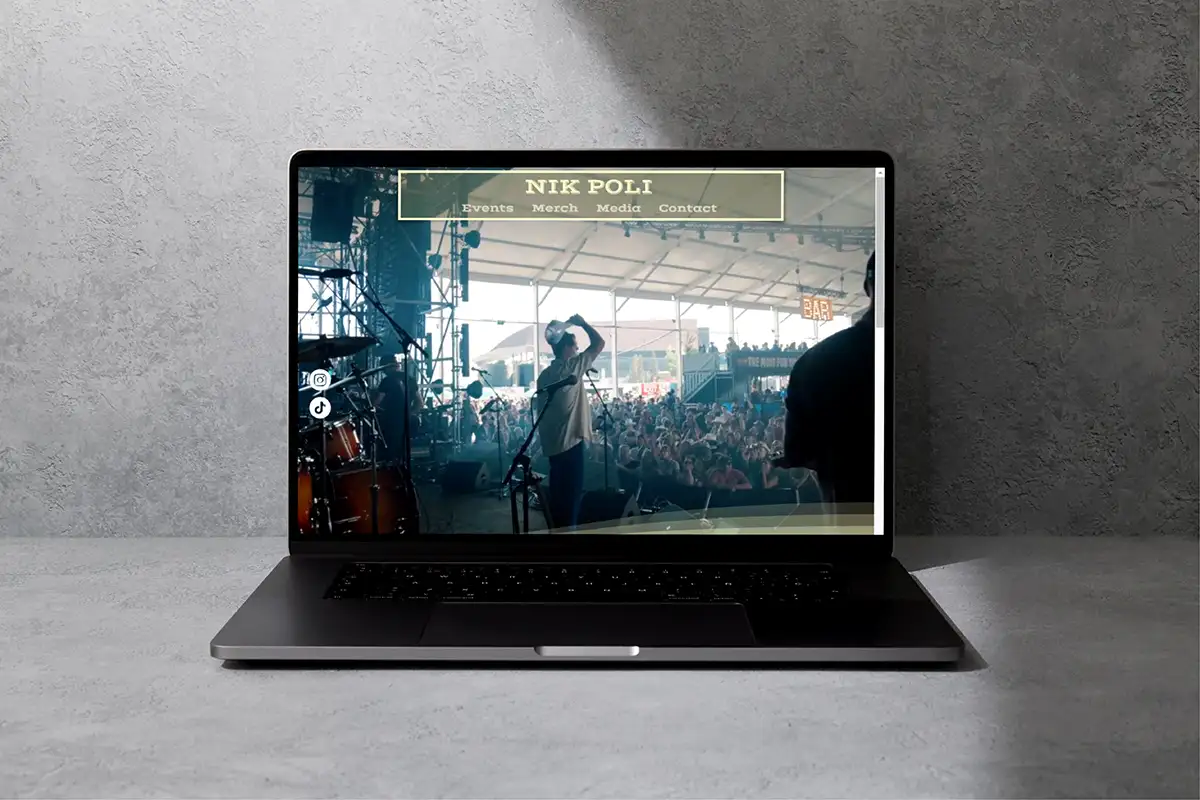
An artist portfolio website is a powerful tool for building credibility, increasing discoverability, and monetizing your work while providing long-term stability beyond social media.
Key Takeaways
- Own Your Brand & Visibility – A portfolio website provides complete creative control, enhances professional credibility, and improves your Google visibility.
- Monetize and centralize: Sell artwork, book clients, and display your work in one dedicated space without needing third-party platforms. Opt for self-owned platforms rather than traditional social media channels.
- Future-Proof Your Career – Unlike social media, a website is a stable, long-term investment that secures your online presence. Optimize your mobile presence ahead of long-term trends towards mobile-primary platform use.
Introduction
In today’s digital-first world, an artist's portfolio website is more than just an online gallery; it’s a powerful tool for building your brand, attracting clients, and selling your work. Whether you’re a seasoned professional or just starting, having your own website gives you control over how your art is presented and discovered.
Galleries and grant committees continually require direct portfolio links, with a growing emphasis on mobile optimization for portfolio sites and a shift toward self-ownership versus traditional platform hosting. This article will explore why every artist, including beginners, should invest in a portfolio website and how it can accelerate your creative career.
Comparison of Website Builders
| Platform | Best For | Pros | Cons |
|---|---|---|---|
| Wix | Highly visual portfolios | Flexible design, drag-and-drop | Can require fine-tuning for speed |
| Squarespace | Clean, minimalist art galleries | Professional templates | Less flexibility than Wix |
| WordPress (+ Elementor or Kadence) | Full control and scalability | SEO-friendly, highly customizable | Requires more setup/maintenance |
| Adobe Portfolio | Photographers, illustrators | Free with a Creative Cloud subscription | Limited outside the Adobe ecosystem |
| Shopify | Artists selling merch/prints | e-commerce power, art print storefronts | Monthly fees are higher than those of basic platforms |
1. Complete Control Over Your Brand
Unlike social media platforms, where algorithms dictate visibility, a personal artist portfolio website gives you complete control over how your work is displayed. You can:
- Customize the design to match your artistic style.
- Organize your work in a way that best represents your creative journey.
- Avoid distractions from ads or unrelated content.
With a website, your art stands out without competition from other creators on social feeds. You can set the tone for how website viewers, including potential clients, interpret your brand from the start, leaving a lasting impression.
2. Establish Professional Credibility
A well-designed artist portfolio website instantly adds professionalism to your brand. It signals to potential clients, galleries, and collaborators that you take your craft seriously. Whether you're applying for grants, exhibitions, or freelance opportunities, having a dedicated website makes you look more credible and prepared.
3. Make Your Work Discoverable on Google
Search engines like Google can help people find your work, if you have a website. By optimizing your site with SEO (Search Engine Optimization), you can:
- Rank for keywords related to your art style or niche.
- Increase organic traffic from people searching for artists.
- Expand your audience beyond social media followers.
A website ensures anyone searching for artists like you can find your work anytime, anywhere. Google receives 8.5 billion searches daily, so optimizing your website to fit your niche is critical to stand out.
4. Sell Your Art & Services Directly
Many artist portfolio websites now offer built-in e-commerce features, allowing you to:
- Sell original artwork, prints, or commissions.
- Offer digital downloads of your work.
- Book clients for freelance projects.
This eliminates the need for third-party platforms that take high commissions, giving you direct control over your sales and pricing.
Wix and Squarespace have e-commerce features built in using native apps or settings. On WordPress, an e-commerce plugin like WooCommerce must be installed to sell your art and services directly. Be aware, though, that e-commerce plugins on WordPress typically use subscription models, so some advanced features may only be accessible on higher-paying plans.
5. Create a Central Hub for Your Online Presence
Your artist portfolio website can serve as a one-stop hub where visitors can find:
- Your artwork
- Contact information
- Links to social media
- Press features or client testimonials
- Blog content showcasing your process or industry insights
Instead of directing people to scattered platforms, a website consolidates everything in one place, making it easier for potential buyers and collaborators to connect with you.
Find out what the best website builder for your portfolio should be here:
Best Website Builders for Artists and Musicians
6. Future-Proof Your Career (Affordable Artist Website Platforms)
Social media trends change, but a website is timeless. Platforms like Instagram and TikTok may limit reach or change their algorithms overnight, but your website remains a stable, long-term investment in your artistic career.
When applicable, use affordable artist website platforms to get the best value for your cost and learn more about the best website builders for artists.
7. Getting Started is Easier Than You Think
You don’t need to be a web developer to create a stunning artist portfolio website. Platforms like Wix, Squarespace, and WordPress make it easy to build a professional-looking site without coding.
Tips for Beginners:
- Select a straightforward and visually appealing template that effectively showcases your work.
- Write a compelling bio that tells your artistic story.
- Use high-quality images to display your portfolio.
- Make sure your site is mobile-friendly and easy to navigate.
Learn which website builders best suit creative professionals by reading my guide on the:
Best Website Builders for Artists and Musicians
Simple SEO Tips for Your Artist Portfolio Website
Building a beautiful portfolio website is only part of the journey; you also want your work to be discoverable by galleries, clients, fans, and collaborators. Incorporating a few simple SEO techniques can dramatically improve your site’s visibility in search engines like Google.
Here are key SEO tips every artist should follow:
1. Optimize Your Page Titles and Descriptions
Each page on your site should have a unique, descriptive title and meta description. Example:
- Title: Jane Doe | Abstract Painter Based in Toronto
- Meta Description: Explore the abstract art portfolio of Jane Doe, featuring original paintings inspired by urban landscapes and natural textures.
This helps Google understand your content while making your links more clickable in search results.
2. Use Descriptive Alt-Text on Images
Art portfolio sites are highly visual, and search engines rely on alt-text to "see" your images. Write concise alt-text that describes each piece clearly, including your name or style if appropriate.
Example alt-text:
Sunrise Over Bay - Oil Painting by Jane Doe (2025 Abstract Series)
3. Create Clear, Keyword-Rich Project Descriptions
Instead of just uploading images, provide short descriptions of your works. If relevant, mention the medium, style, subject matter, or location. This gives search engines more content to index and helps potential clients better understand your art.
4. Submit Your Website to Google Search Console
Once your site is live, submit it to Google Search Console for five minutes. This informs Google that your site exists and enables you to monitor its appearance in search results, resolve crawl issues, and track its performance over time.
5. Prioritize Fast, Mobile-Friendly Design
Google now uses mobile-first indexing, meaning your site’s mobile performance can impact your rankings. Choose a responsive design template, compress images, and regularly test your site’s speed to ensure a smooth experience for every visitor.
FAQs: Building and Designing an Effective Artist Portfolio Website
What should an art portfolio website include?
A strong art portfolio website should feature your artist bio, project galleries, contact information, and optional sections like an artist statement, client testimonials, or an online store. Make sure your layout supports a clean visual presentation of your work.
Do I need a portfolio website if I already use Instagram or Behance?
Yes. Social platforms can be great for discovery, but your website is the stable place you fully control, and it’s easier to share with galleries, grant committees, clients, and press.
How can I make my art portfolio website stand out?
Use fewer, stronger pieces; add short descriptions for context; keep navigation simple; and make sure the site loads fast on mobile.
What is the best platform for building an art portfolio website?
It depends on your goals. Wix and Squarespace are strong for visual portfolios, WordPress is ideal for maximum flexibility, and Shopify is best when selling products is the priority.
Can I sell my art directly from my portfolio website?
Yes. Many builders support e-commerce natively, and platforms like WordPress can add it via plugins such as WooCommerce.
Conclusion
Whether you’re just starting or looking to grow your career, an artist portfolio website is essential for success. It helps you build credibility, attract opportunities, and future-proof your online presence. If you’re serious about your art, it’s time to take control and create a website that truly represents your work.
Ready to build or improve your portfolio website? Start with the platform that fits your creative style. I help artists build portfolio sites with my website design services. Based in BC? Explore my Victoria web design and SEO offerings. Ready to choose a platform? Read best website builders for artists and musicians. If you need expert guidance on design or SEO optimization, I can help through EdgeCraft Digital.